Zoe Muller
Rothschild’s Giraffe Project
Kenya
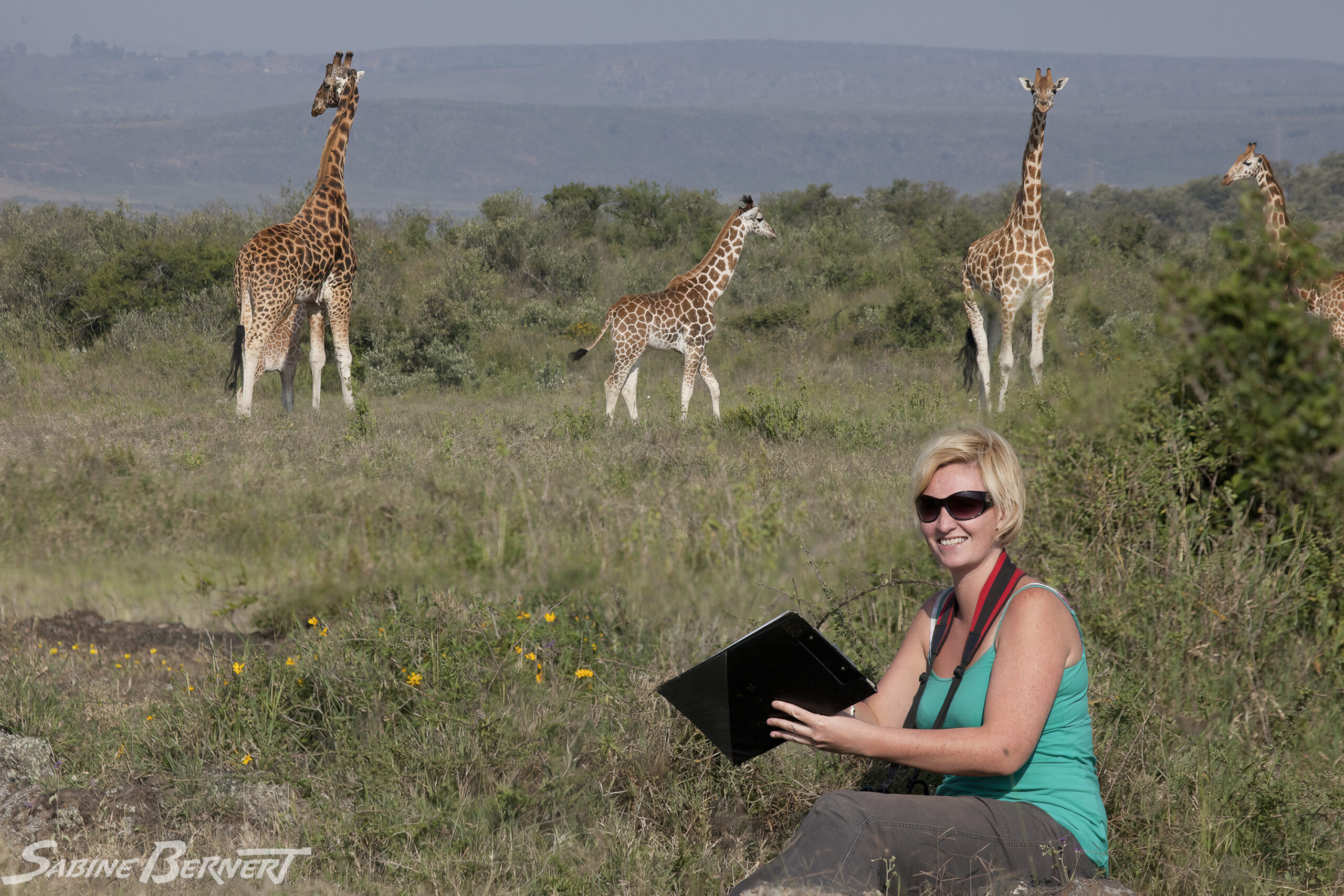
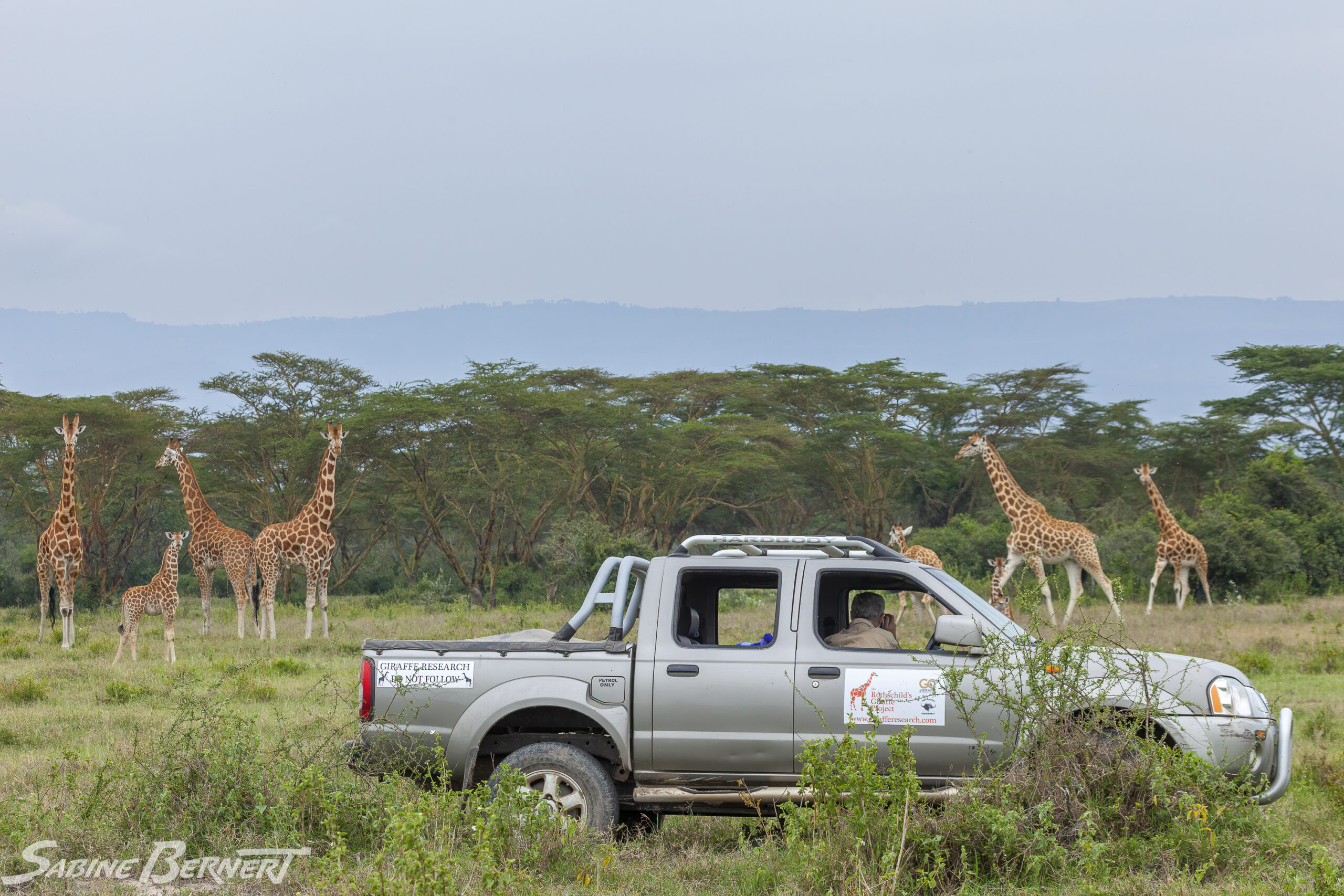
I met Zoe Muller in 2011 at her research site in the Soysambu Conservancy in Kenya. I spent several days there with my friend Les Moran, who was assisting with her research on Rothschild’s giraffes (which genetic analyses have since reclassified as the Nubian subspecies, *Giraffa camelopardalis camelopardalis*).
Zoe is a biologist with a passion for giraffes, conducting extensive research on the behavior, ecology, and social structure of the populations in the Soysambu Conservancy and Lake Nakuru National Park. Her work aids the Kenya Wildlife Service in developing a conservation strategy for this highly threatened population in East Africa.
Through long hours of patient observation, Zoe has made numerous discoveries that challenge preconceived, often negative, notions about these fascinating animals. For example, female giraffes have a bad reputation for being poor mothers and abandoning their newborns.
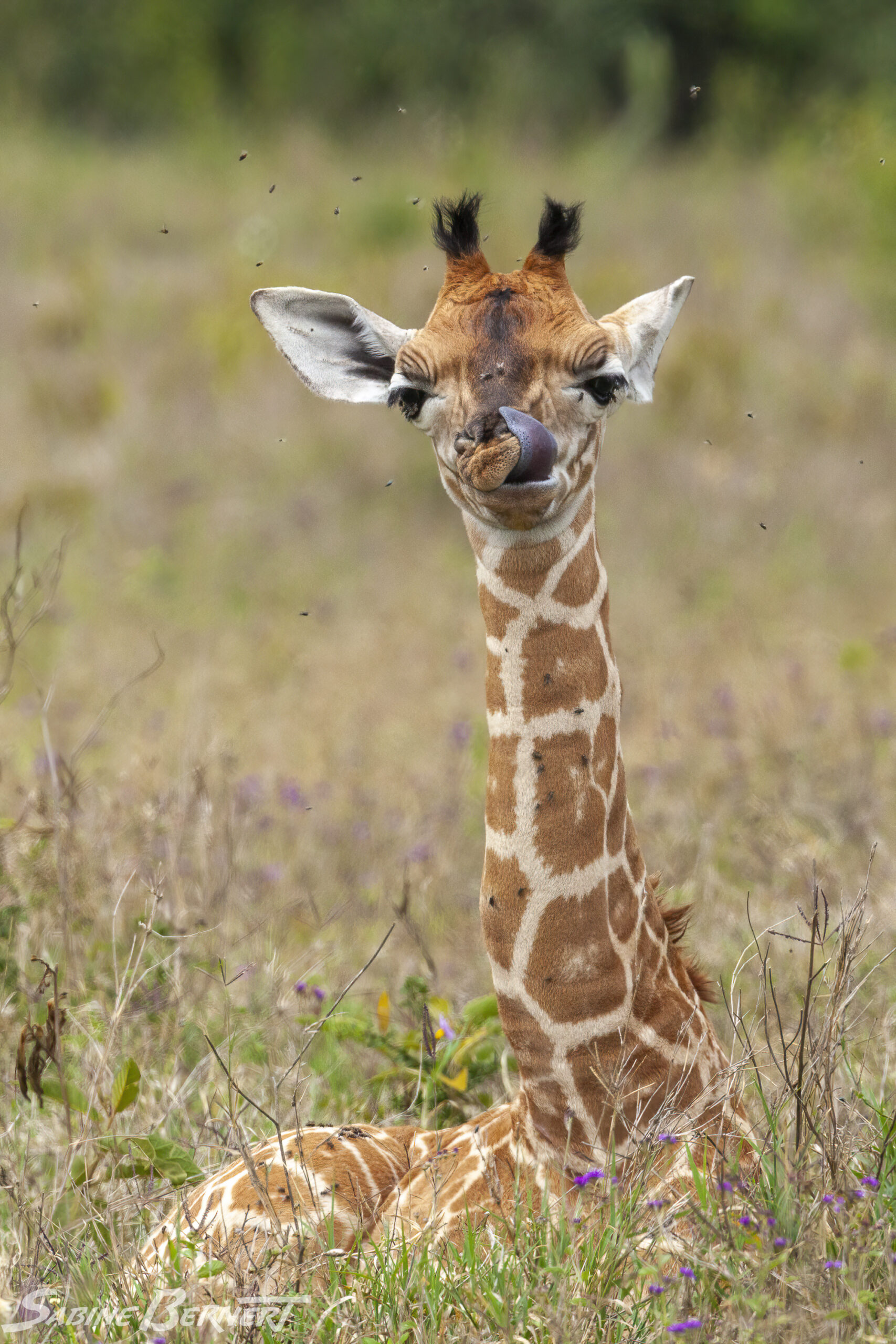
In fact, as Zoe’s studies confirm, giraffes hide their calves in safe locations during the first few weeks, away from heat and predators, and regularly return to feed and reassure them. Once the calf is strong enough to join a group, the mother meets with other females, and they organize a “nursery” where they take turns watching over their young.
These studies are crucial as giraffes have been severely affected by poaching and habitat loss. The Nubian subspecies is listed as Critically Endangered on the International Union for Conservation of Nature’s Red List, surviving precariously in isolated areas of Kenya, a national park in Uganda, as well as in Ethiopia and South Sudan.