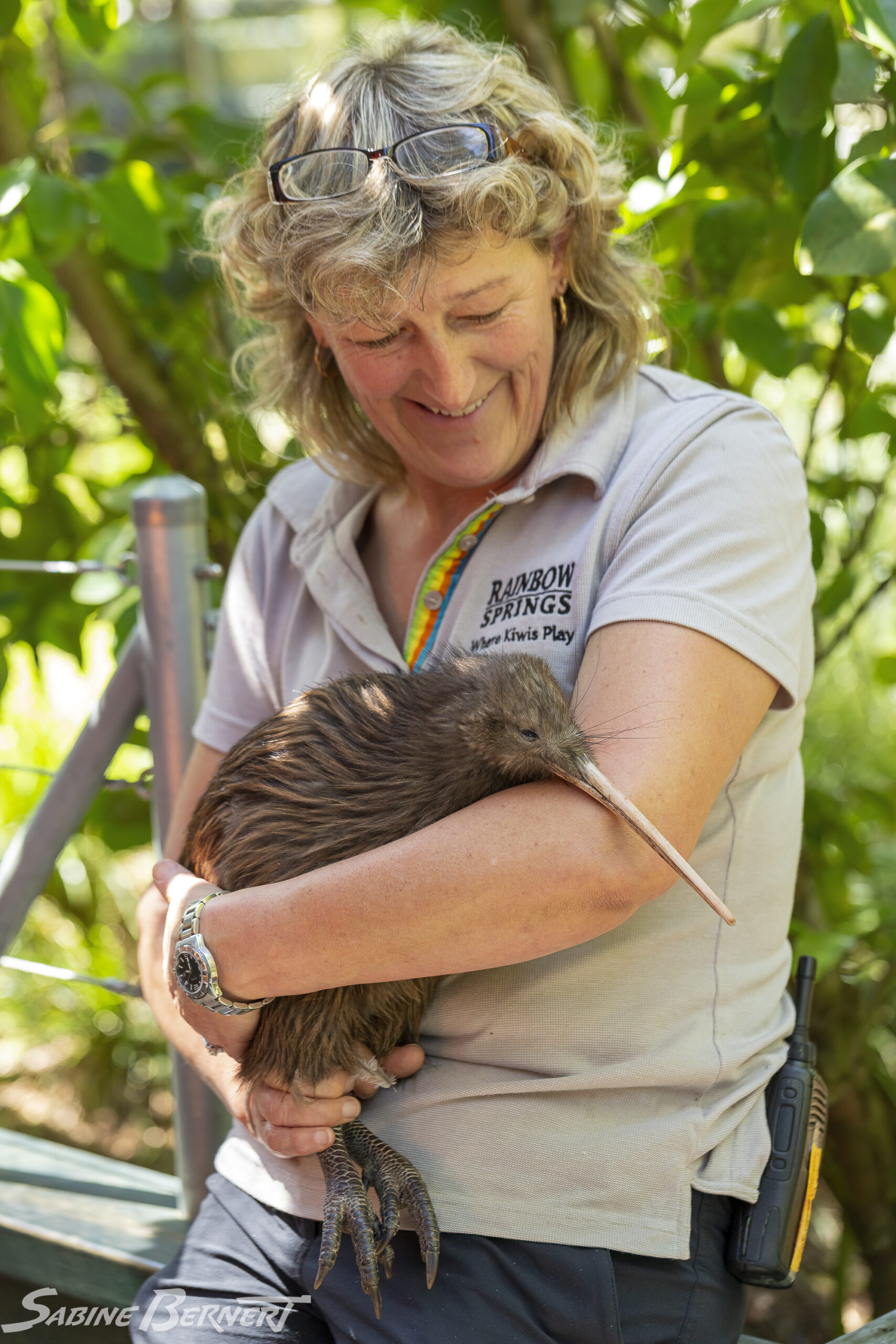
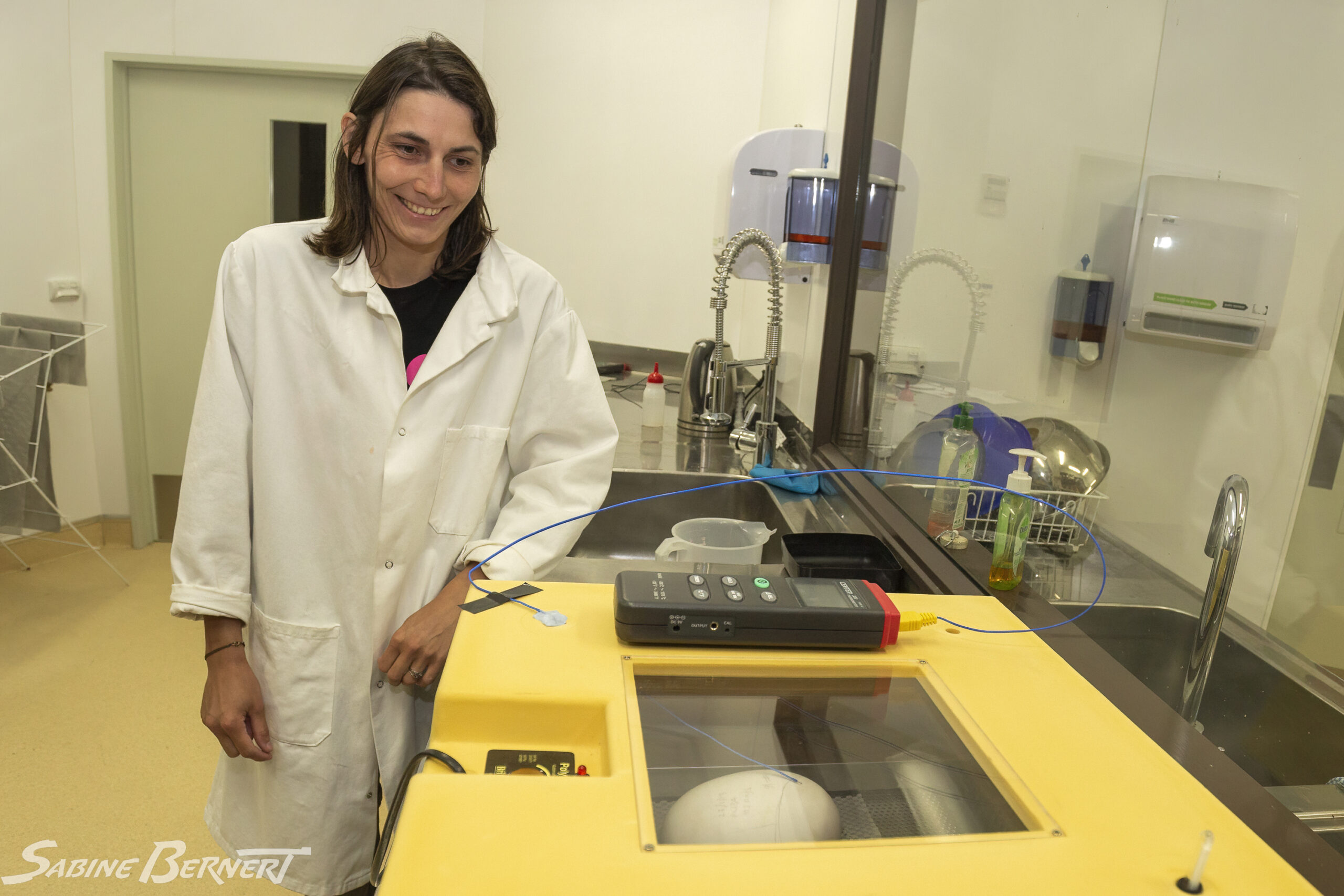
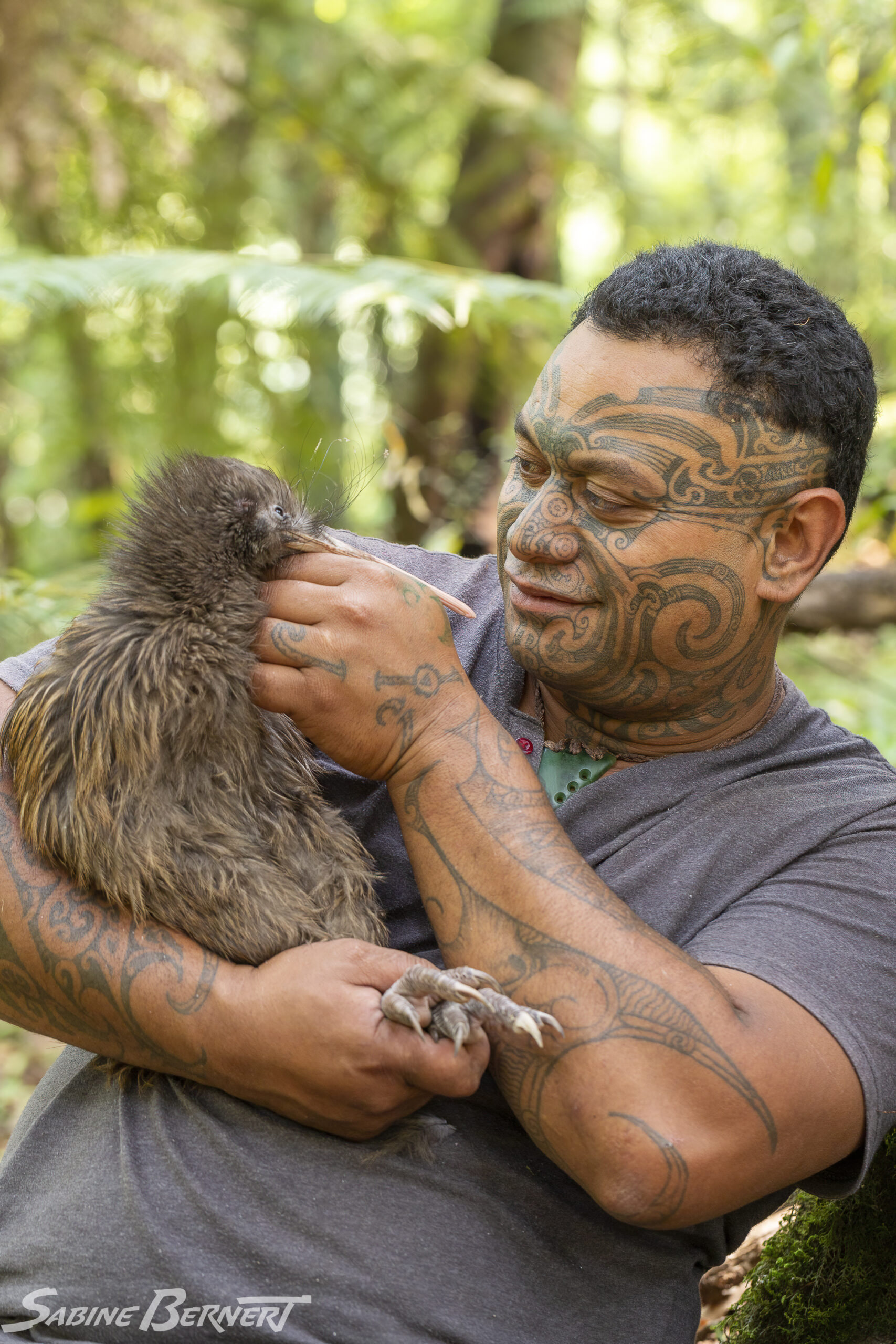
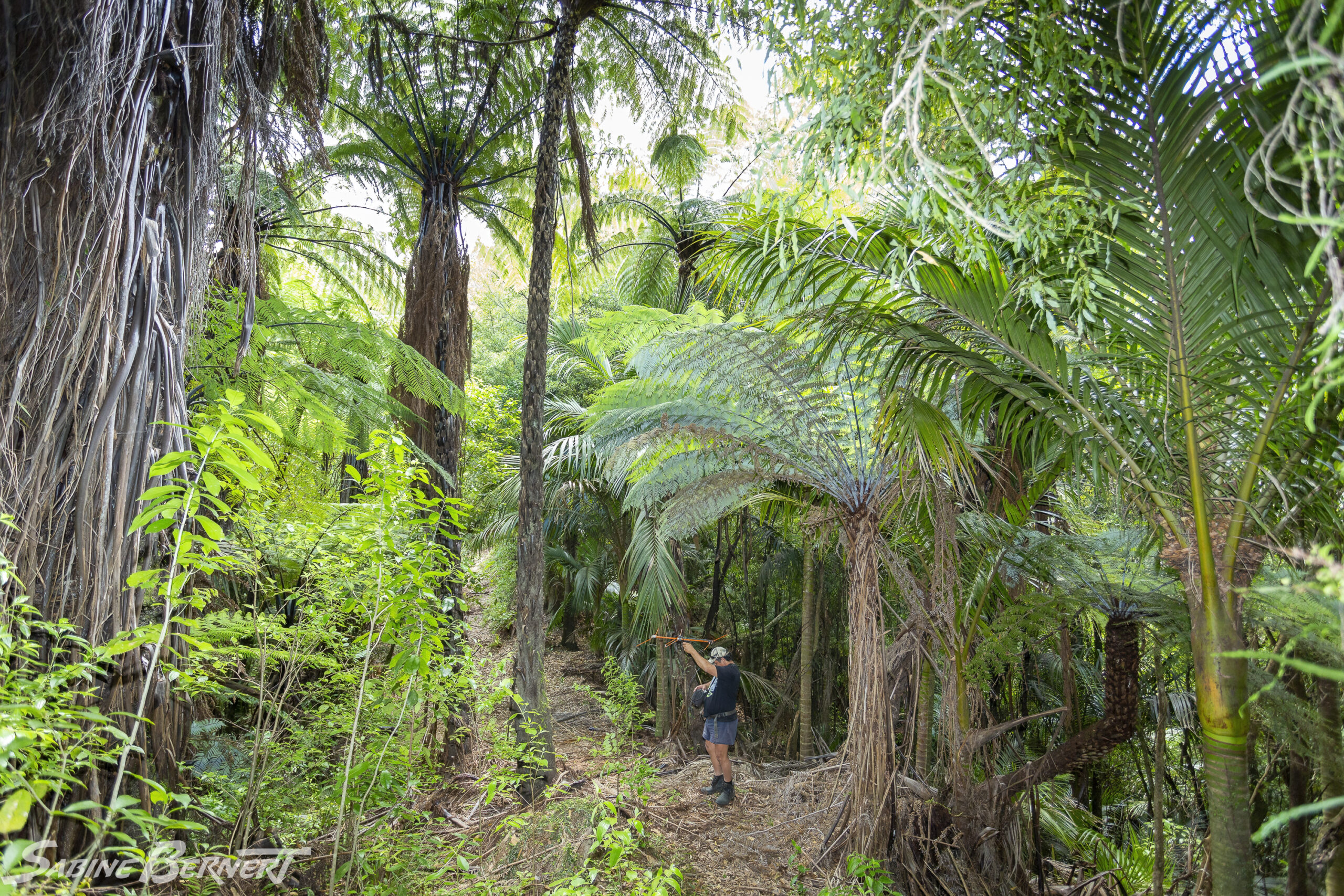
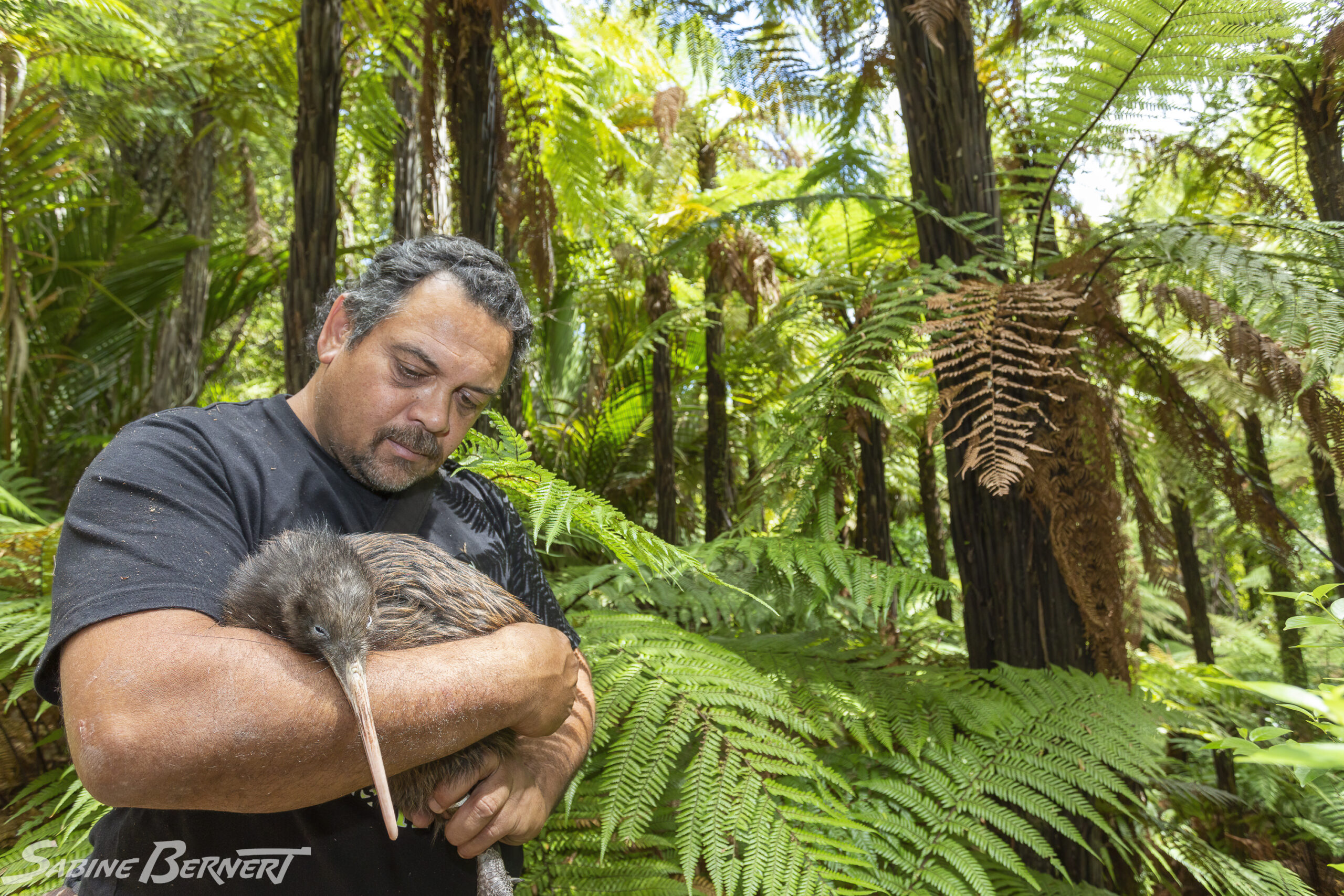
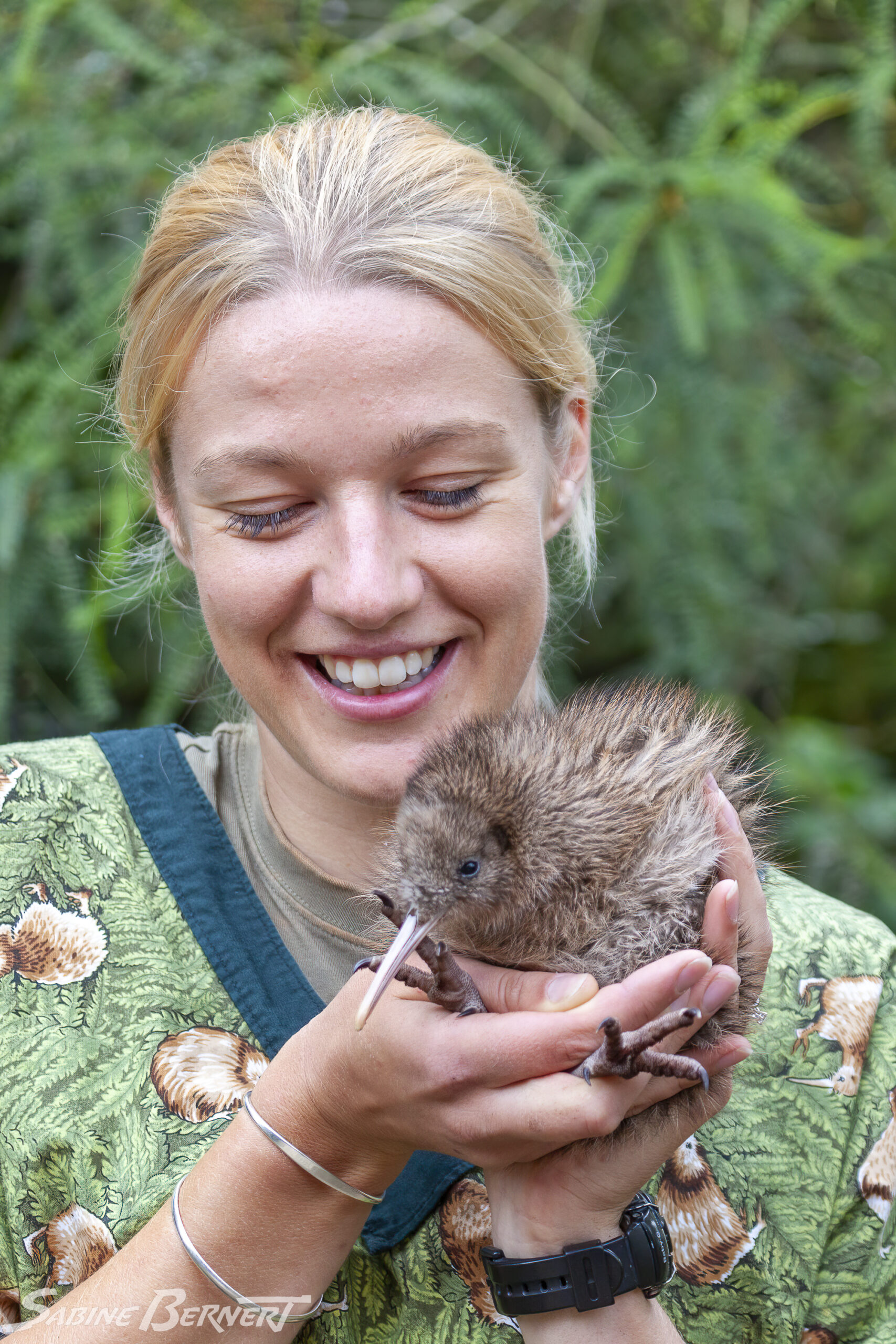
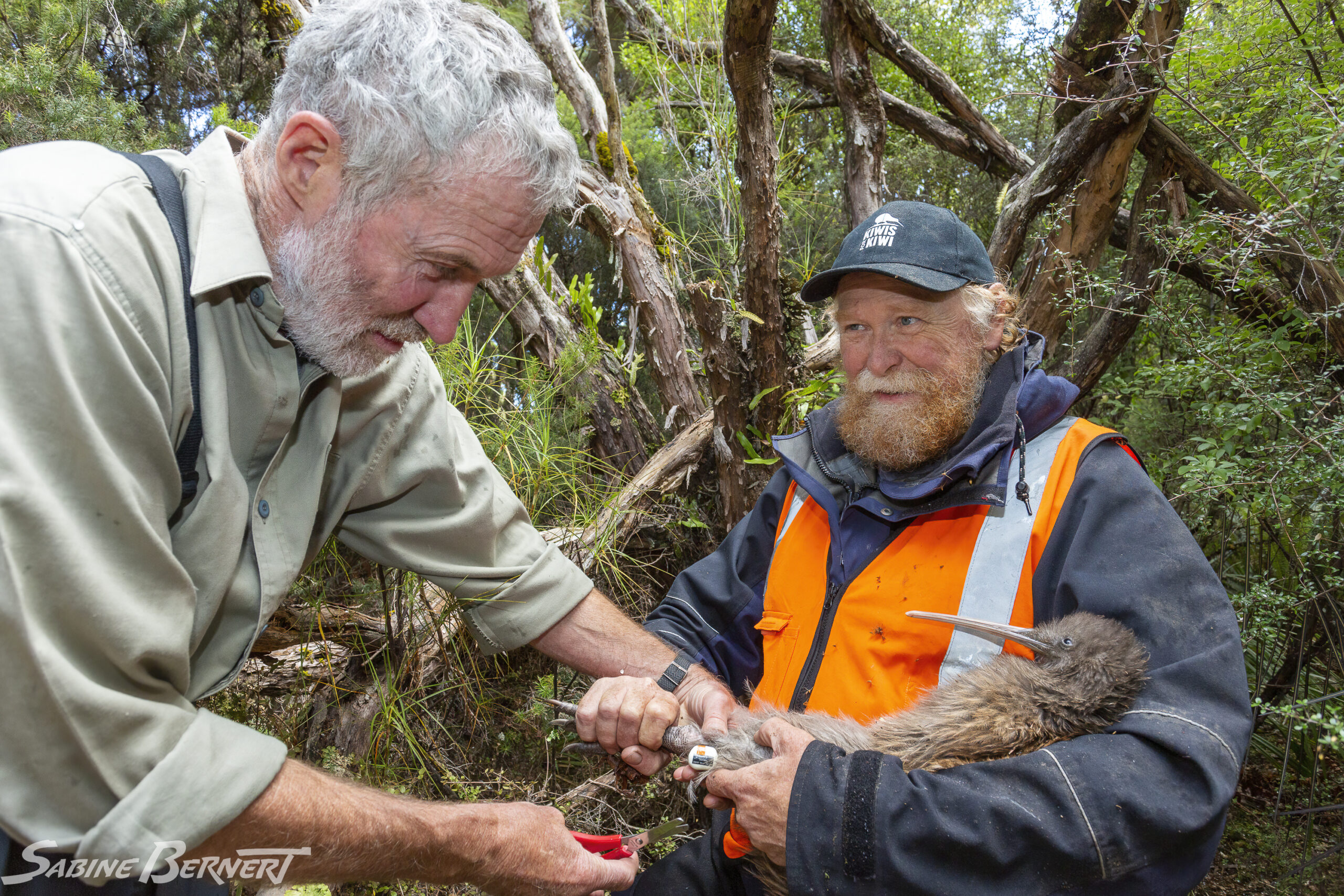
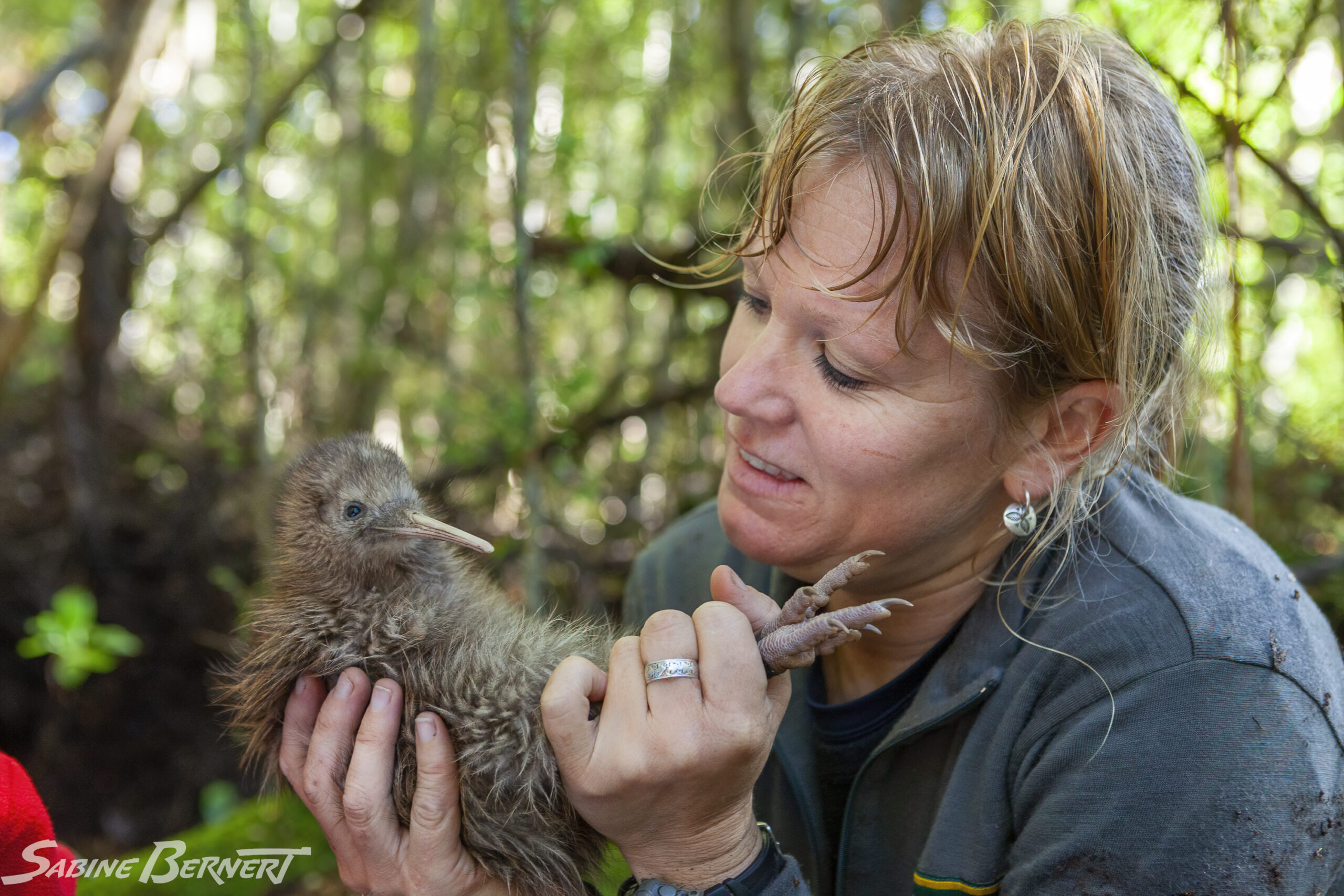
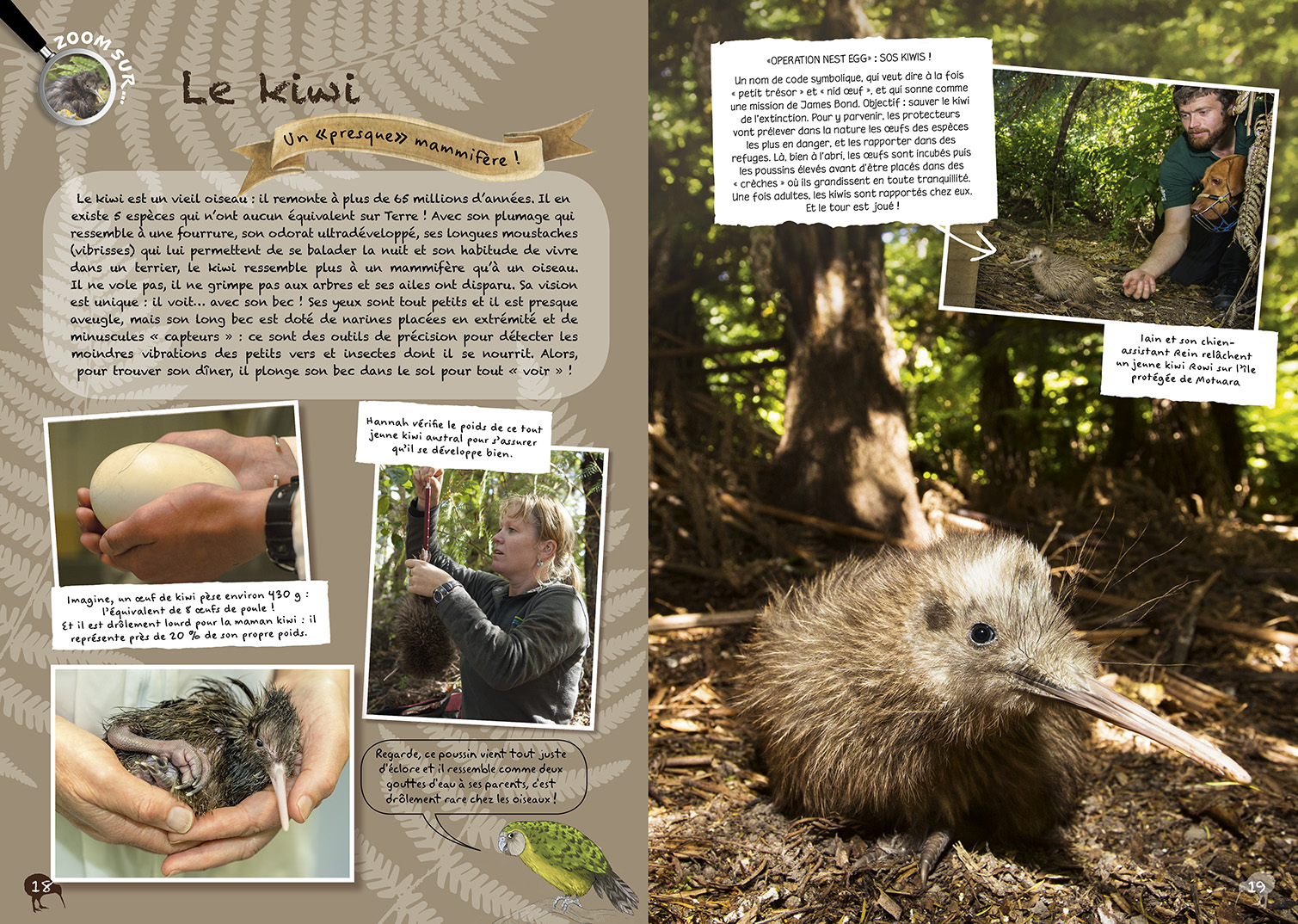
Operation Nest Egg: The very first conservation program I discovered at Willowbank Wildlife Reserve when I arrived in New Zealand in 2011. Each of my following trips allowed me to document a new facet of it, with the actions of the New Zealand Department of Conservation and the organizations Kiwi Encounter at Rainbow Springs, Save the Kiwi (Kiwis for Kiwi), and Pukaha National Wildlife Centre / Mount Bruce.
Operation Nest Egg: a symbolic code name that sounds like a James Bond mission. An almost impossible mission: to save the kiwi from extinction, this unique bird that is a symbol of New Zealand.
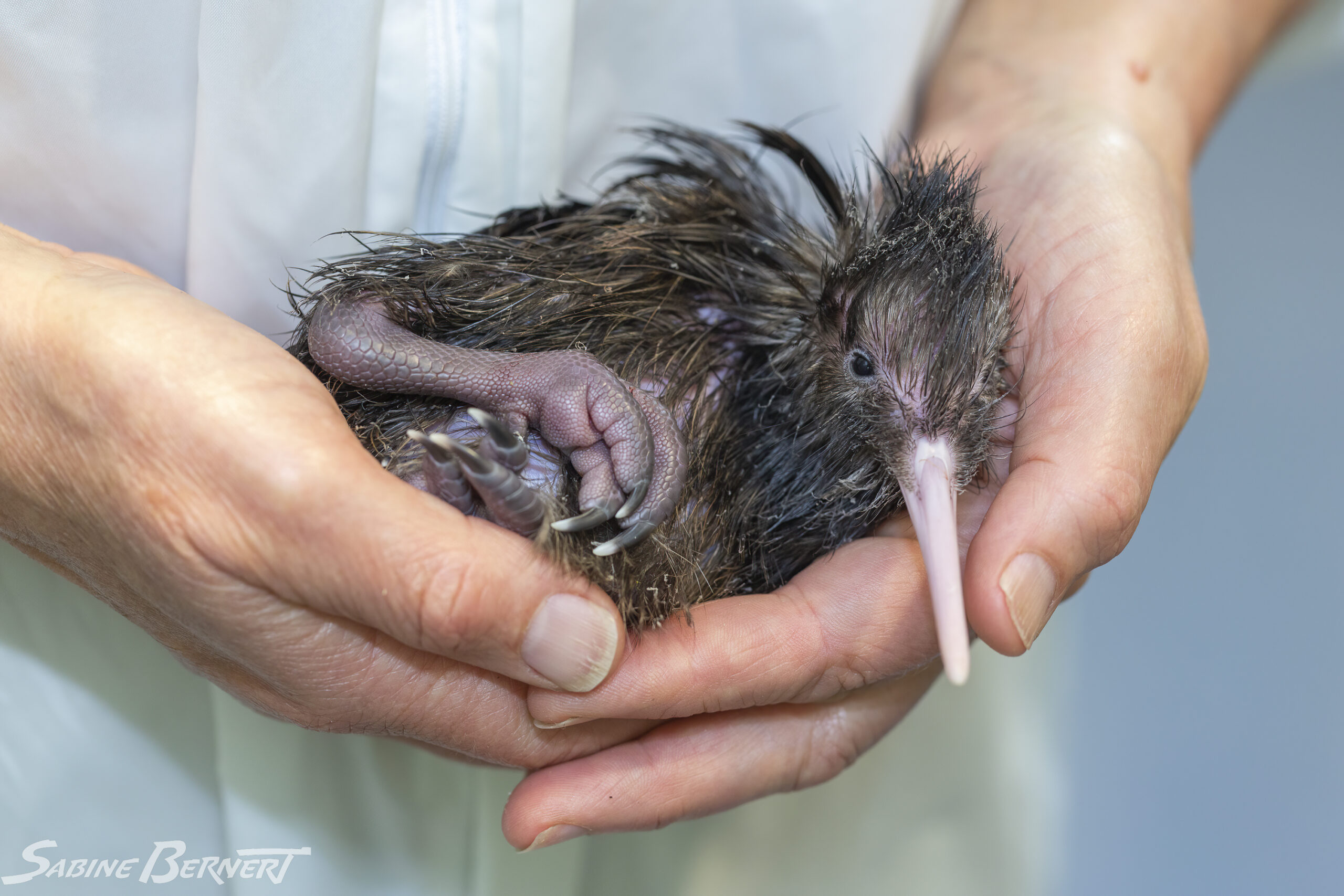
Kiwis are so atypical that they are sometimes called “honorary mammals.” Terrestrial and nocturnal, they live in burrows and have fur-like plumage, a highly developed sense of smell, and whiskers to navigate in the dark.
There were millions of kiwis less than 200 years ago. Today, there are fewer than 70,000 across all species, decimated by predators introduced by humans (dogs, cats, mustelids…). In natural areas where these predators are present, 90% of young kiwis disappear within six months of hatching. Except for the Tokoeka species, kiwis are solitary, and chicks grow up alone and defenseless.
That’s where ONE comes into play: under this banner, the New Zealand Department of Conservation, private organizations, and communities collaborate on a vast rescue program and perform miracles.
The exceptional ONE method helps rebuild viable kiwi populations in areas where they had become too vulnerable. To ensure the survival of kiwis, ONE teams collect eggs or chicks (depending on the species) from the wild and bring them to breeding sites. After careful rearing, the juveniles are placed in “crèches” where they can grow peacefully. Once they reach a sufficient weight (about 1.2 kg), they are reintroduced to their original habitats. As adults, kiwis’ combative nature allows them to defend themselves against predators.
 Discover the kiwis and their protectors in my video “Encounters with the Protectors of the Lost Ark”.