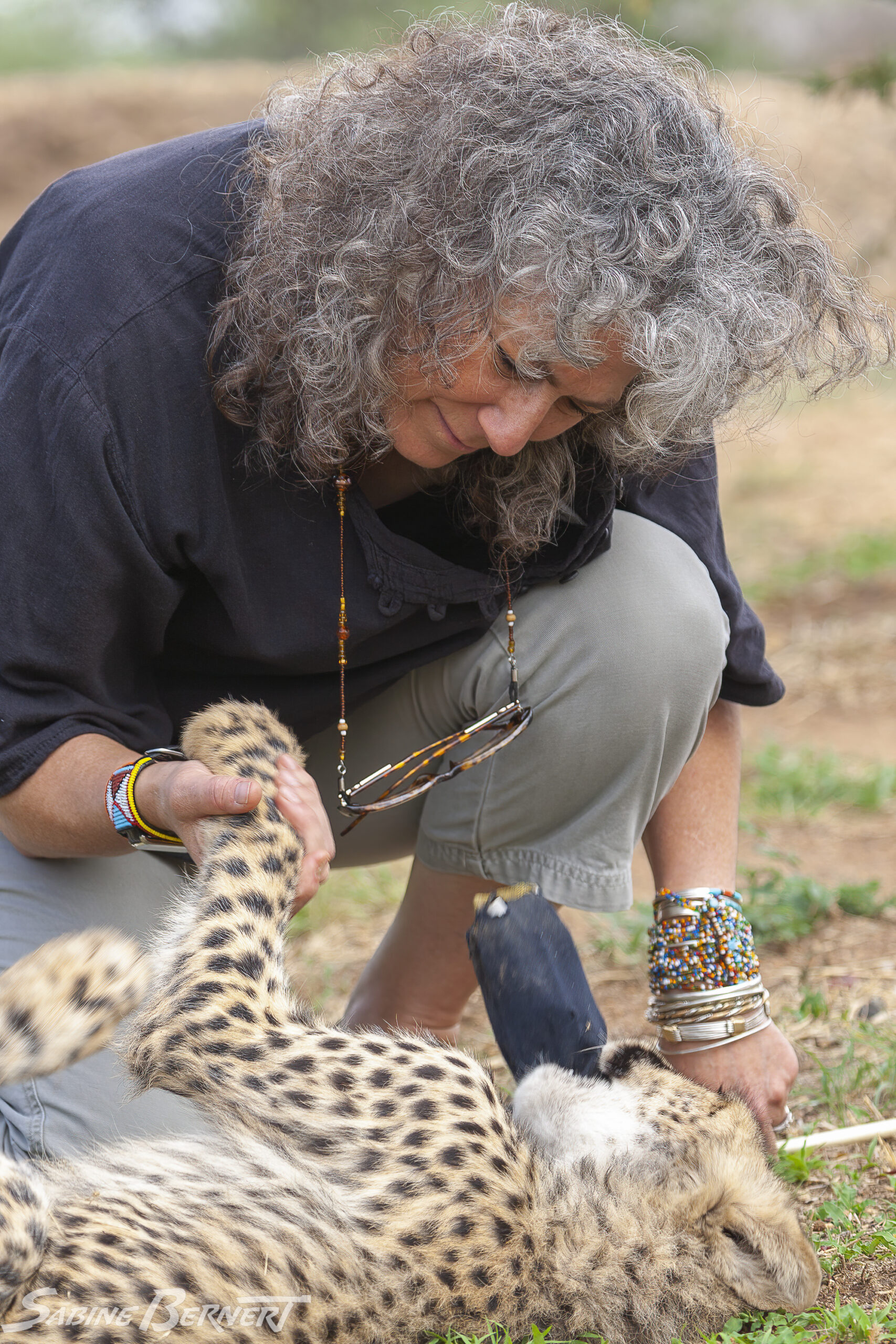
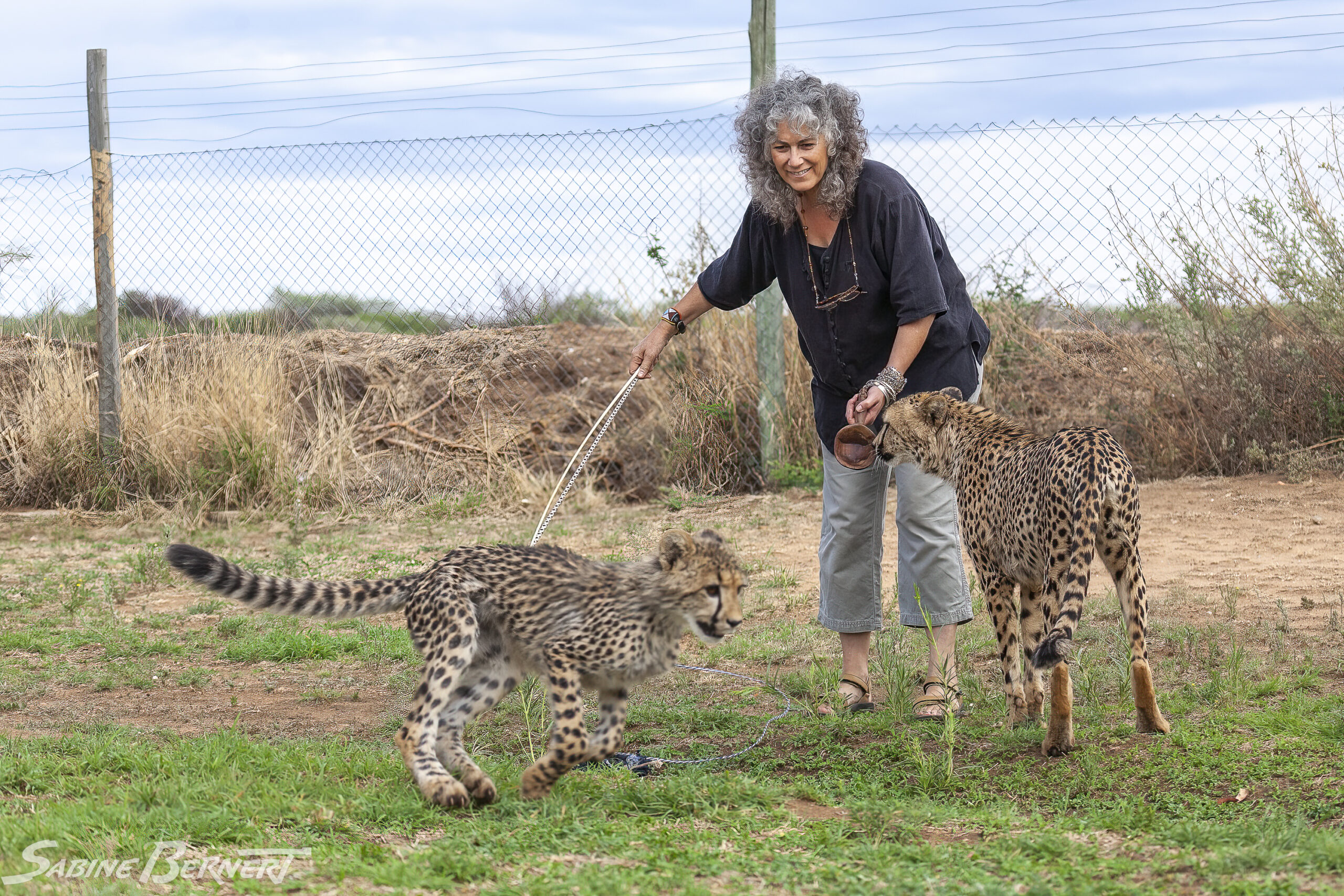
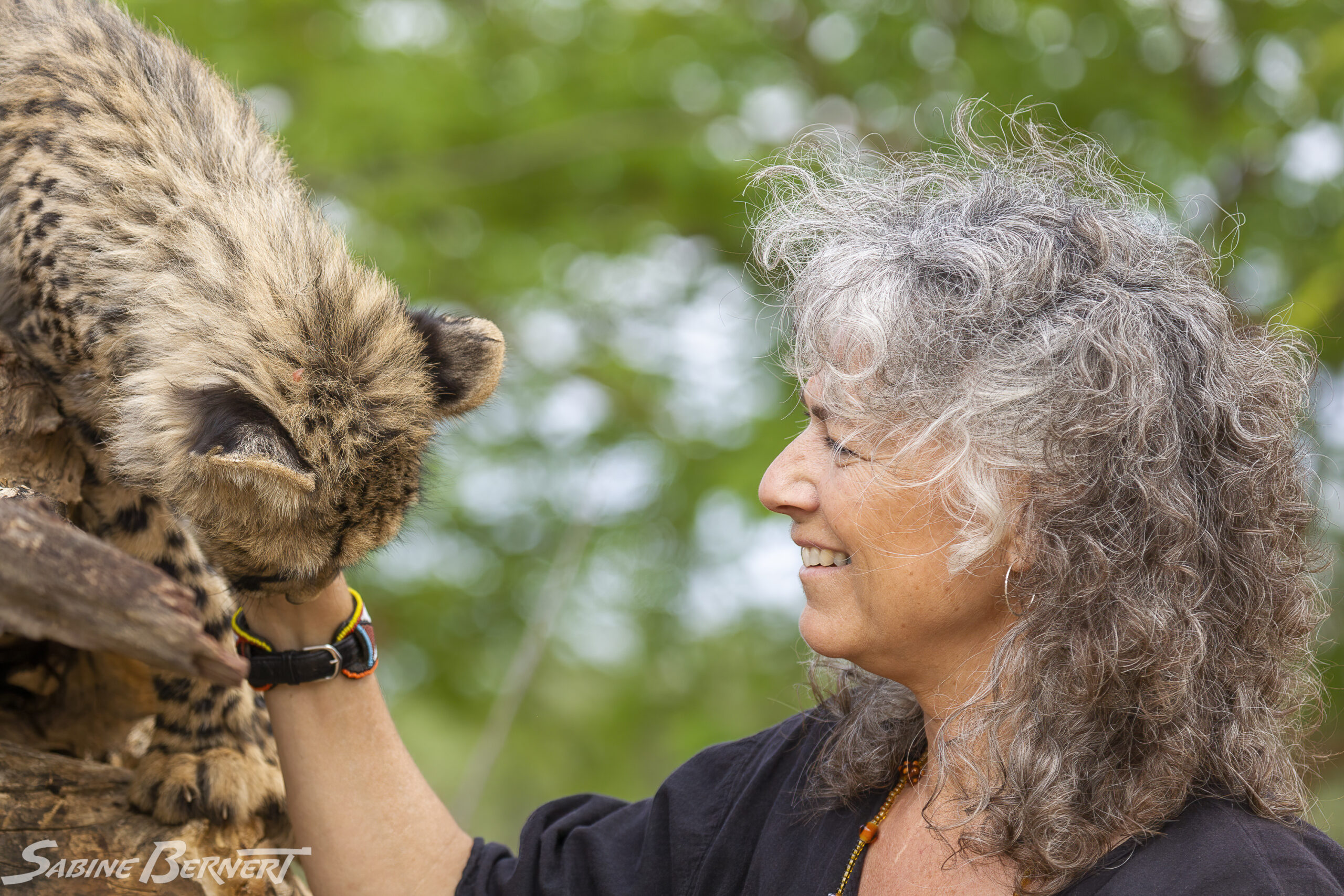
I met Laurie Marker while preparing my first book, “African Encounters.” I was deeply impressed by her passion and dedication.
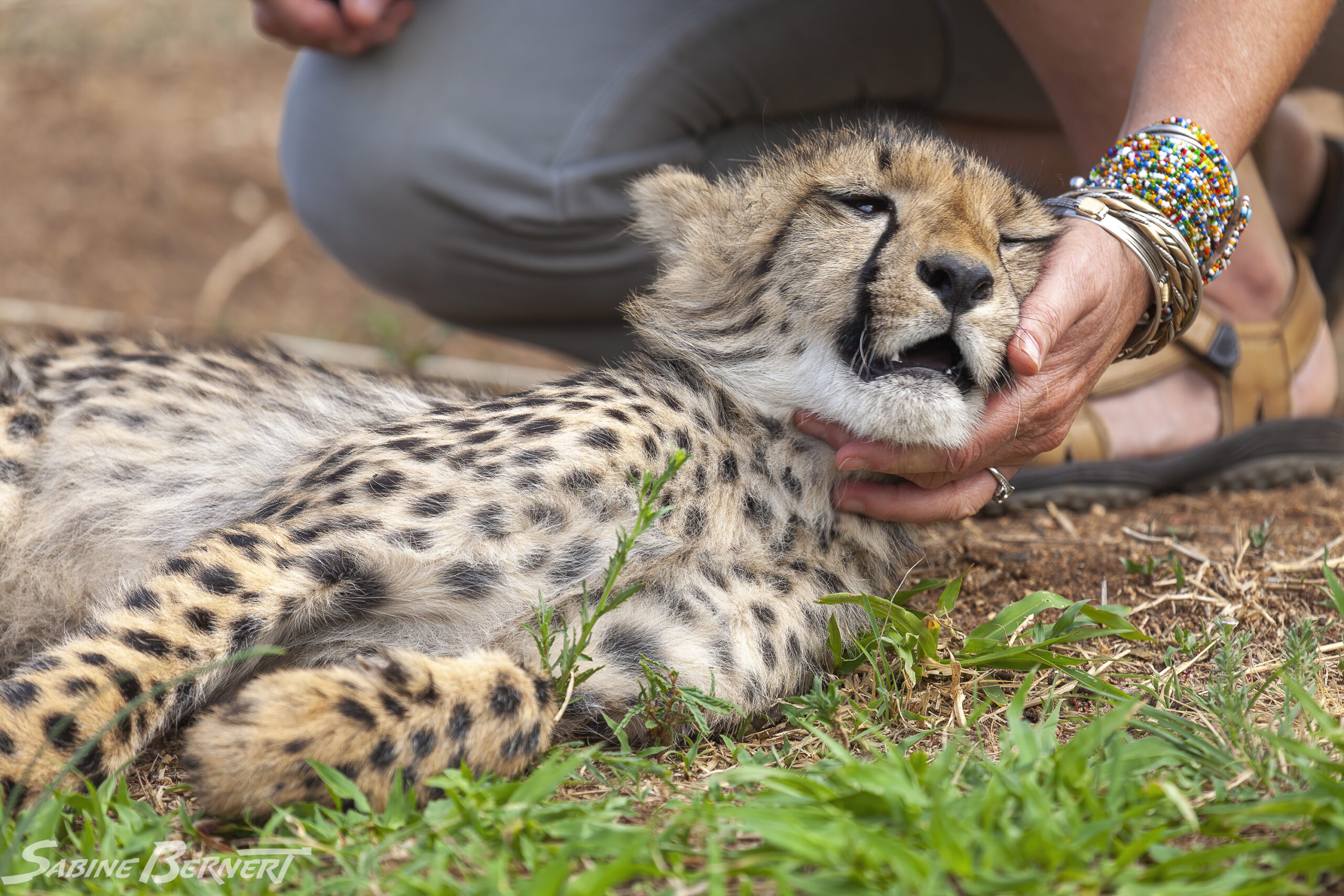
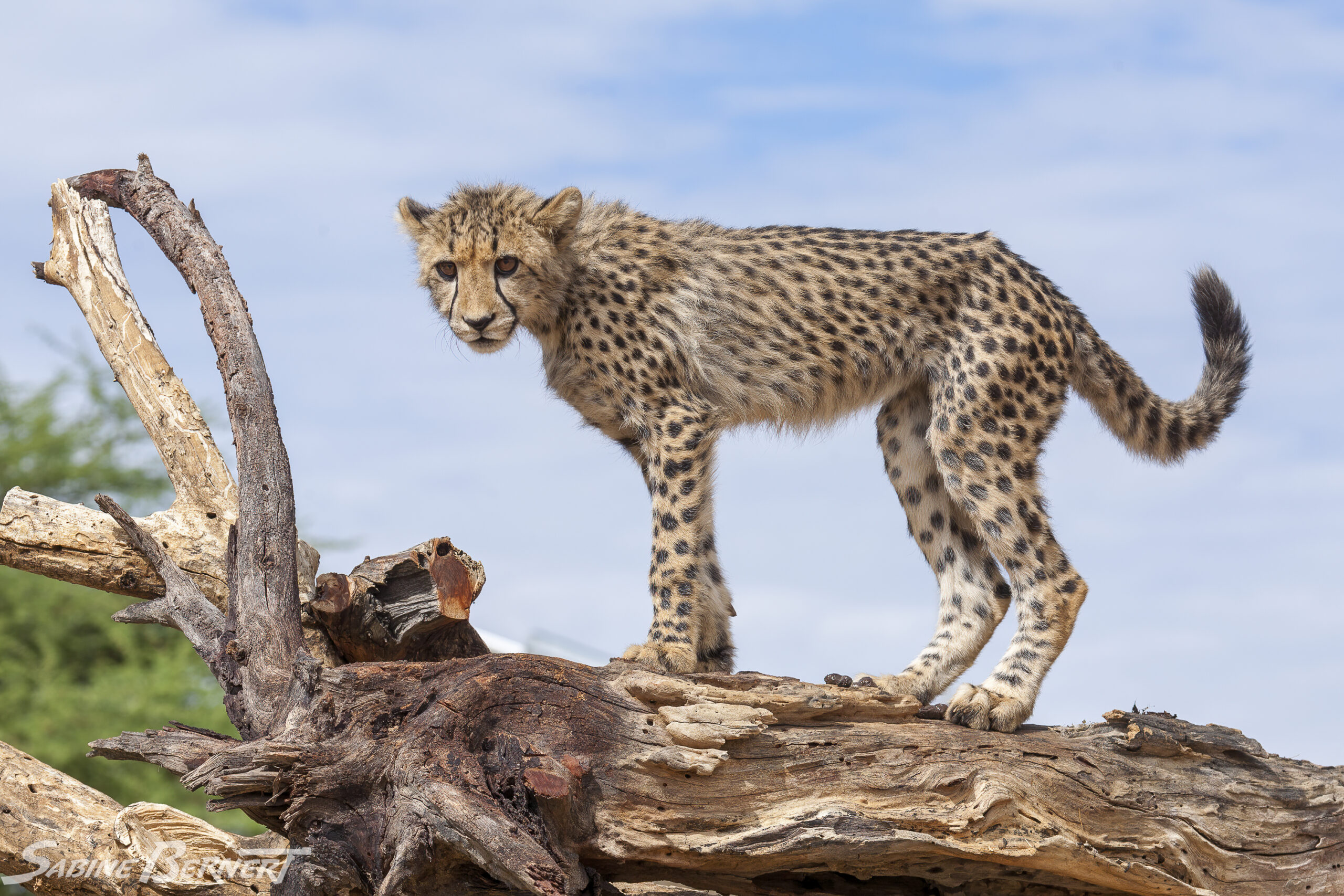
Laurie Marker was just 20 years old when she was entrusted with her first cheetah, an orphaned cub she named Khayam. At the time, she was in charge of the veterinary clinic at the Wildlife Safari Zoo in Oregon, USA. This encounter sparked an extraordinary journey for the young Californian, who would become one of the world’s leading experts on this feline. It was an unexpected stroke of luck for cheetahs, who gained one of their greatest allies in their race against extinction.
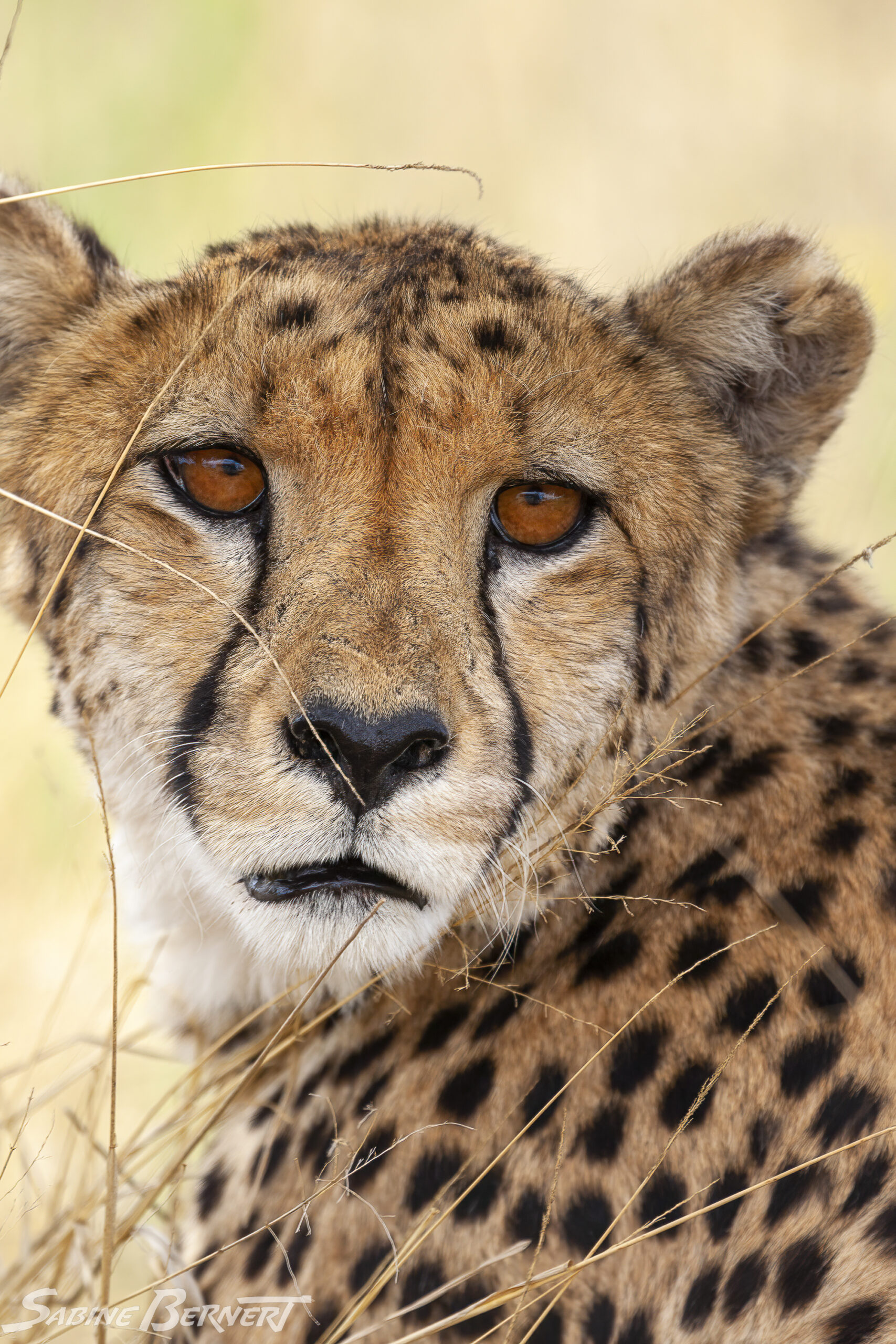
In her quest to find the best way to raise Khayam, Laurie was surprised to discover how little was known about cheetahs, despite their 5,000-year history with humans. She decided to learn everything she could about this big cat and embarked on groundbreaking research: can a captive-raised cheetah learn to hunt? The answer would determine whether cheetahs born and raised in captivity could be reintroduced into the wild. In 1977, Laurie traveled to Namibia with one-year-old Khayam and immersed herself in the “feline spirit” to help him adapt to his natural environment.
This first experience was a turning point for Laurie, who realized the urgency of helping wild cheetahs. She left her job and friends behind in 1990 to settle permanently in Namibia, where she founded the Cheetah Conservation Fund, the world’s first organization dedicated to cheetahs. Laurie aimed to work at the heart of the country that hosts the largest population of wild cheetahs, with 2,500 to 3,000 still roaming the vast landscapes of Namibia.
The foundation is located in a 30,000-hectare wilderness on the Waterberg Plateau near Otjiwarongo and is dedicated to scientific research, conservation, and education.
 Read the chapter from my book “African Encounters,” published in 2008 and now out of print, dedicated to this admirable cheetah protector. (Use the keyboard arrows or the sides of the screen to turn the pages)