Welcome to another world!
Aotearoa New Zealand
It’s a world like no other: the last continent to be discovered by humans, just 700 years ago…
While the French were living in the Late Middle Ages, great Polynesian navigators discovered an unknown archipelago thousands of kilometers from the nearest land, which they named Aotearoa: “the land of the long white cloud.” They settled there and are now known as the Maori. Hundreds of years later, Europeans arrived and called it “New Zealand.”
Isolated in the middle of the oceans for nearly 80 million years, this lost world is unique. The only terrestrial mammals are small fruit-eating and insectivorous bats. Birds, reptiles, amphibians, and arthropods reign supreme. They live long lives and reproduce slowly. Many birds and insects have given up flying and have become small giants. Here, species that date back 200 million years to the time of the dinosaurs survive, having barely evolved…
For paleontologist Tim Flannery, New Zealand “shows us what the world might look like if mammals had gone extinct like the dinosaurs 65 million years ago, leaving birds to inherit the planet.”
With the arrival of humans 700 years ago, this prehistoric world began to collapse. Humans hunted and fished, burned, and felled forests. They brought all kinds of animals and plants from their home countries, not to mention the “stowaways” that slipped onto ships: rats and mice that multiplied by the millions. The native animals, believing they were protected by their camouflage, had no chance against new predators armed with spears and guns, claws and fangs, who hunted by scent and set traps. Their habitats and food sources were destroyed or stolen by the newcomers… Many species disappeared quickly, and all were endangered.
Fortunately, in the mid-20th century, New Zealanders implemented a vast rescue policy with unparalleled inventiveness, energy, and dedication. Today, New Zealand is considered a world leader in species rescue and conservation, with its innovations adopted by many countries.
One of the essential actions is controlling invasive predators, given the level of invasion. Small islands far enough from the main North and South Islands are “cleaned” to make them safe havens for endemic species. However, the major challenge remains on the main islands, invaded by hundreds of millions of invasive mammals that reproduce at alarming rates: start with a pair of rats, and in 18 months, they will have 1,000,000 descendants… Unable to protect the entire country for now, protected areas are created on the main islands, such as Zealandia in the heart of Wellington on the North Island and Orokonui near Dunedin on the South Island. These refuges opened to the public, become fortresses, “islands” within the island: completely surrounded by impressive fences with extremely fine mesh (to prevent mice from passing through), they are cleared of all predators before welcoming endemic species, which can thrive there safely.
Another area where New Zealanders excel is breeding endangered species. Those in the most critical situations are “assisted” to varying degrees, with breeding and/or rearing in captivity before being released as juveniles.
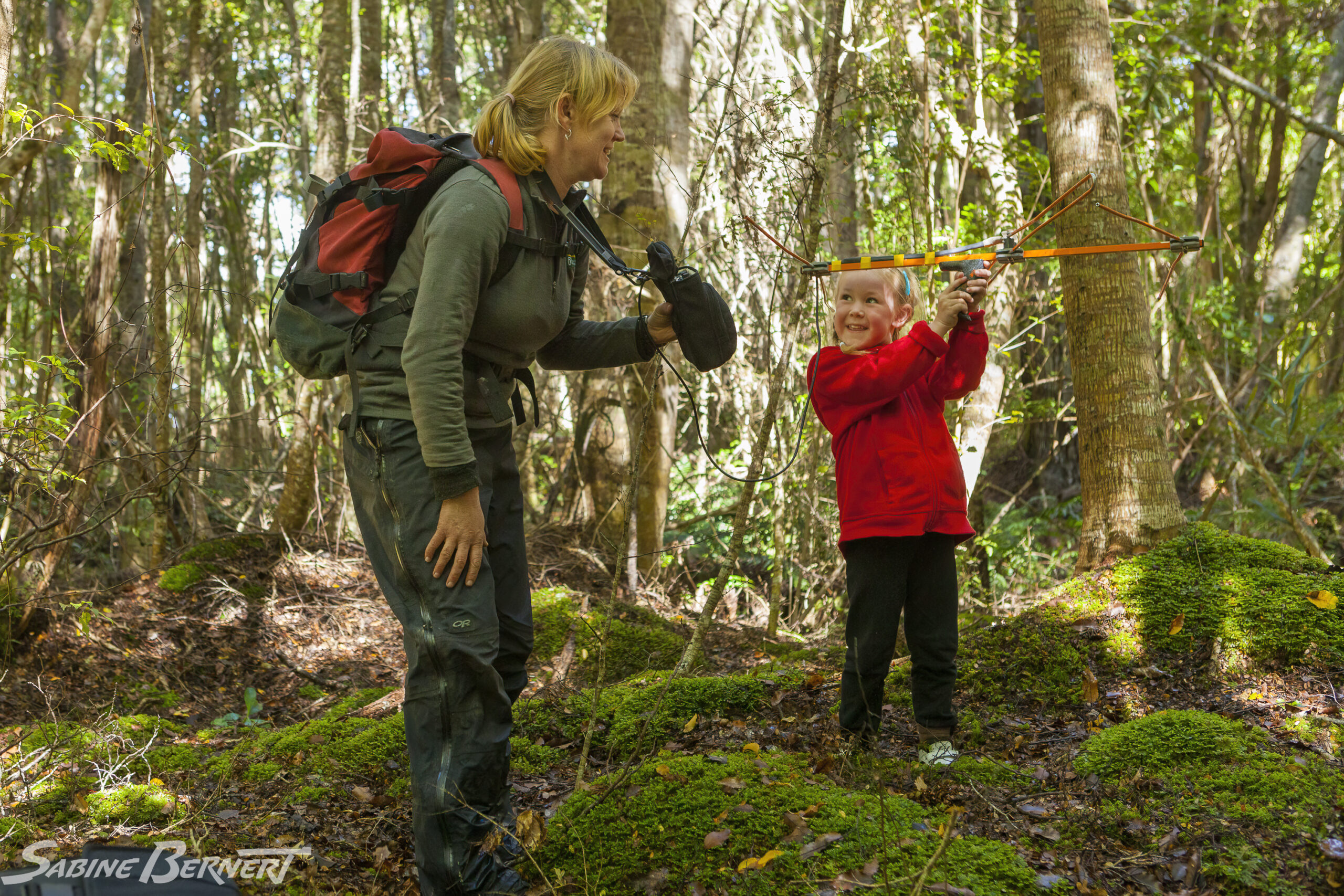
New Zealand is now impressive for the number and extent of its unmatched preservation, rescue, and reintroduction programs for its endemic species and ecosystems. Alongside the New Zealand Department of Conservation / Te Papa Atawhai, communities, associations, and volunteers of all ages are involved daily in this enormous task.
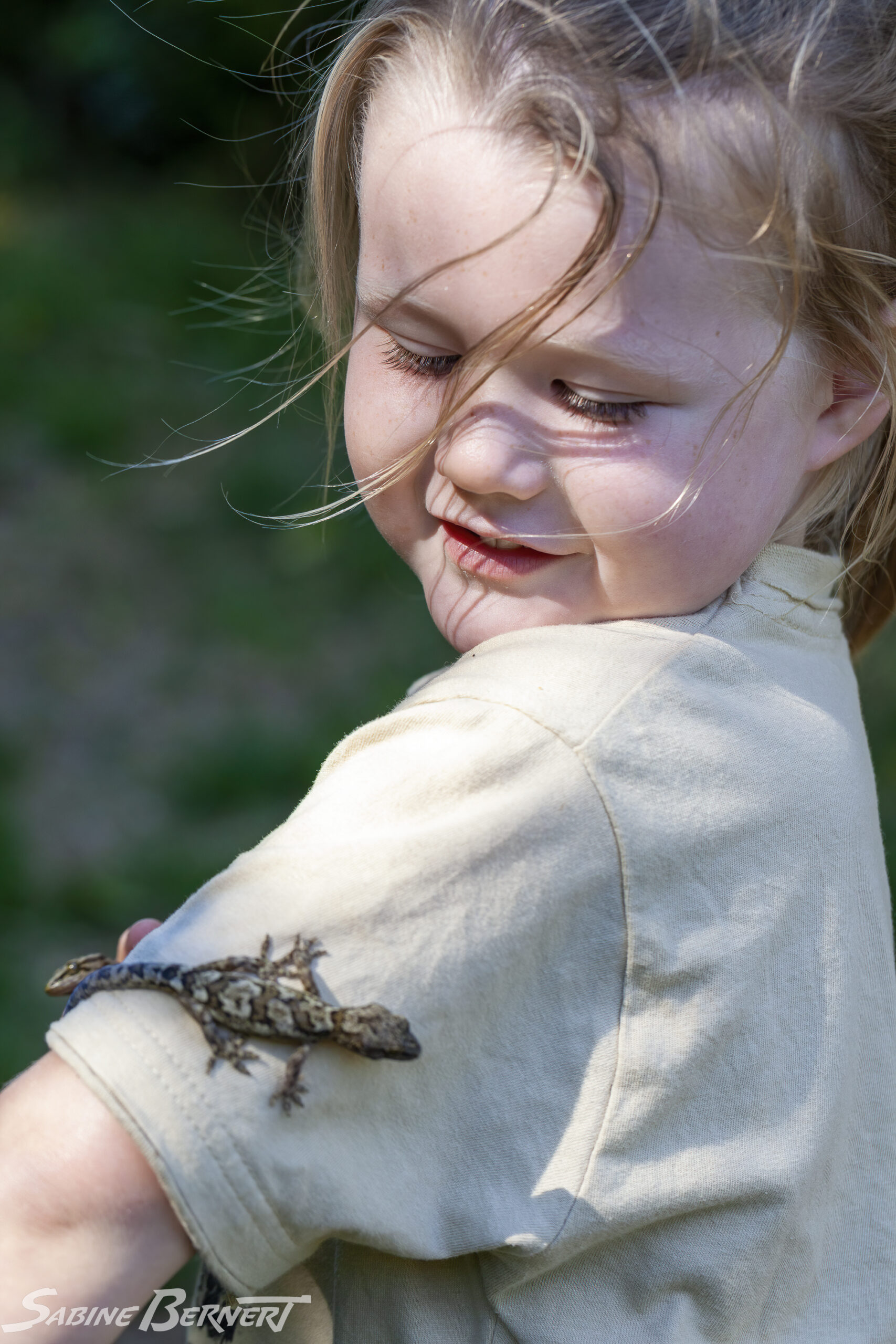
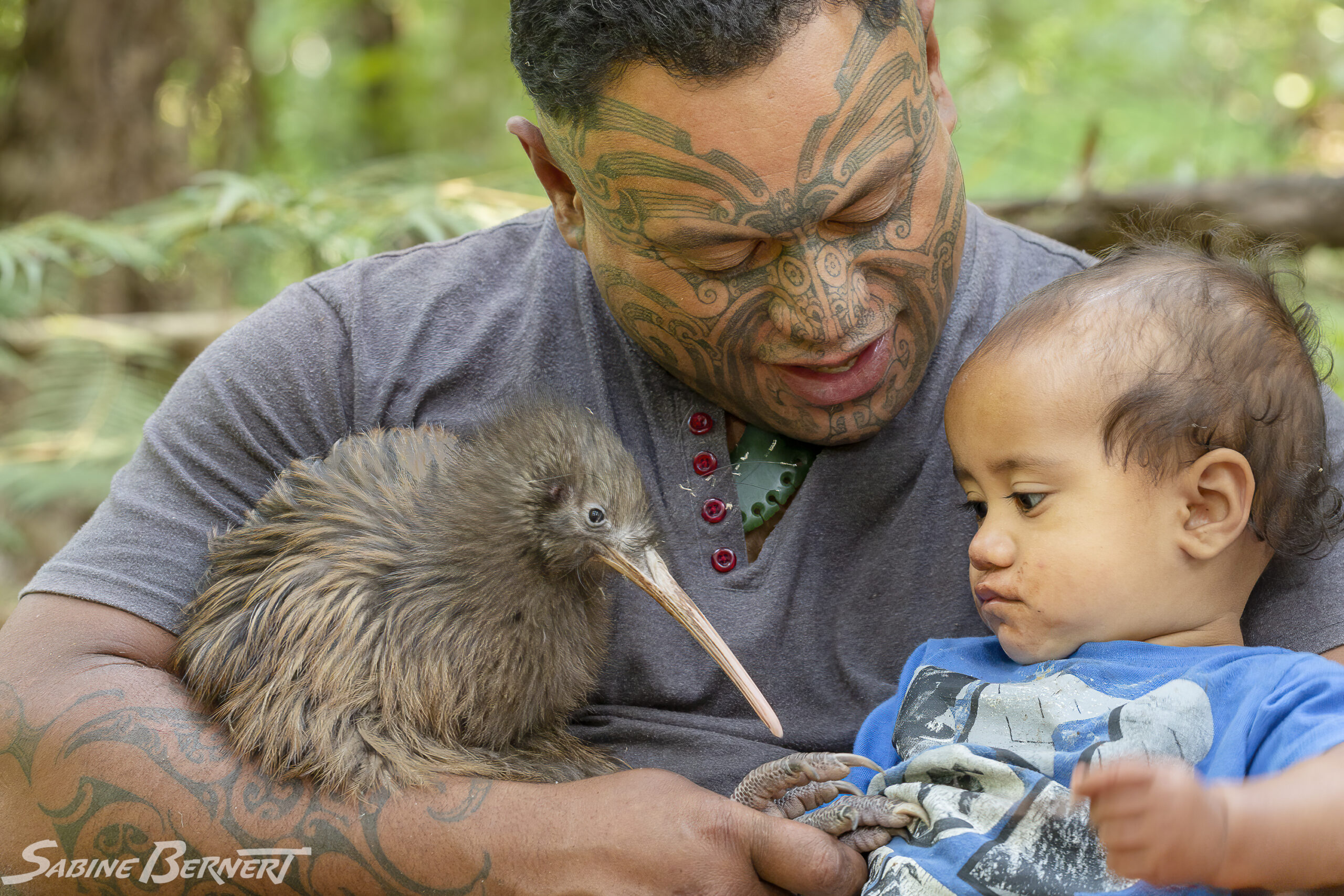
Here are some of these dedicated protectors I had the privilege of meeting.
 My video, “Encounters with the Protectors of the Lost Ark”.
 In my exhibition “Aotearoa New Zealand – Protectors of the Lost Ark”,
 and in my children’s book dedicated to this incredible world
While you wait for the next publication of my book, which is in progress (yes, it’s coming along!).